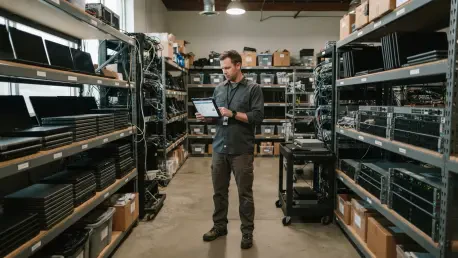

Total visibility into an organization’s technology inventory has become essential for operational efficiency and financial profitability in highly competitive markets. IT Asset Management, commonly known as ITAM, is no longer limited to simply counting physical devices and peripherals. It now encompasses a complex ecosystem that integrates hardware, software, cloud services, and strategic data governance.
Centralizing technology asset information can help organizations identify unnecessary expenditure and make more informed investment decisions. Flexera’s 2025 State of ITAM Report found that 35% of respondents reported increased SaaS waste over the previous year. In response, 59% of software asset management professionals actively tracked usage, while 56% reviewed contracts and subscriptions to eliminate unnecessary spending. These findings demonstrate the financial value of maintaining visibility into technology usage, costs, and contractual commitments, particularly as organizations face increasing pressure to justify IT expenditure.
Read on to explore how effective IT asset management can help organizations:
- Identify unnecessary software, cloud, and hardware expenditure;
- Manage technology assets from acquisition through secure disposal;
- Reduce cybersecurity and compliance risks through accurate inventories;
- Use automation and AI to improve maintenance, resource allocation, and infrastructure visibility;
- Strengthen business resilience through better asset governance.
Cost Control and Eliminating Unnecessary Spending
Financial optimization is the most immediate and tangible benefit of implementing effective asset management. It allows organizations to eliminate what is commonly known as phantom spending on software licenses and underutilized equipment.
By closely tracking service-level agreements and software-as-a-service subscriptions, technology leaders can identify duplicate applications and inactive accounts that generate unnecessary monthly costs without delivering real business value.
Integrating cloud financial management practices with IT Asset Management (ITAM) is becoming increasingly important as organizations seek greater control over technology expenditure. The FinOps Foundation’s 2025 State of FinOps Report found that ITAM and Technology Business Management (TBM) teams are increasingly integrating with FinOps. The report also found that 65% of FinOps practices were managing or planning to manage SaaS expenditure, reflecting a broader focus on understanding and controlling technology costs beyond public cloud infrastructure. Without effective cost visibility, budgeting and forecasting, organizations can struggle to anticipate variable cloud expenditure and identify opportunities to reduce waste.
Effective fixed-asset management also gives businesses access to better supplier contracts by providing accurate data on actual usage volumes. This information strengthens their negotiating position during strategic contract renewals. The ability to forecast depreciation and plan technology refresh cycles helps organizations avoid emergency spending caused by widespread failures in outdated equipment.
Managing Cloud Assets Across Environments
Cloud asset management adds another layer of complexity to ITAM, particularly for organizations operating across multiple providers and hybrid environments. Virtual machines, storage volumes, databases, containers, and cloud subscriptions can be created and decommissioned quickly, making manual inventory management difficult.
Without consistent tracking, businesses risk paying for idle resources, maintaining duplicate services, or losing visibility into who owns specific infrastructure. An effective approach connects cloud resource discovery with financial management and asset ownership. Automated discovery tools can identify active resources across cloud environments, while standardized tagging records details such as the responsible department, application, business purpose, and cost center. This gives finance and IT teams a clearer picture of where expenditure originates and who is accountable for it.
Utilization monitoring adds another layer of cost control. By reviewing compute capacity, storage consumption, and network activity, organizations can identify oversized instances, unused storage, and services that no longer support active workloads. Teams can then resize resources, remove redundant services, or adjust provisioning according to actual demand. Integrating these practices with FinOps gives organizations a more consistent way to manage cloud expenditure while keeping infrastructure capacity aligned with business requirements.
From Strategic Acquisition to Secure Disposal
Operational efficiency depends on an organization’s ability to manage technology assets throughout their lifecycle, from planning and acquisition to maintenance, upgrades, and disposal. Effective IT Asset Management (ITAM) starts with understanding business requirements and existing inventory before purchasing additional equipment.
This helps reduce unnecessary spending and ensures technology purchases reflect actual operational needs. During the maintenance phase, proactive monitoring and scheduled upgrades help organizations maintain asset availability, address potential issues, and plan replacement cycles.
NTT DATA’s February 2025 research identifies planning, procurement, deployment, maintenance, upgrading, and disposal as the core stages of hardware asset lifecycle management.
However, asset retirement is often the most critical stage. Today, it must meet stringent security and environmental sustainability standards. Asset management ensures that all sensitive information stored on devices is securely and verifiably erased before equipment is recycled or resold, protecting corporate intellectual property. By completing the lifecycle in an orderly manner, organizations can also recover software licenses and reassign them where needed, making better use of existing inventory without incurring additional application acquisition costs.
Risk Mitigation Through Visibility
An outdated or incomplete technology inventory can expose organizations to significant cybersecurity risks. Unknown devices, unapproved hardware, and unpatched software can create opportunities for attackers to gain access to corporate networks. CISA’s December 2025 Cybersecurity Performance Goals 2.0 identifies maintaining an accurate, regularly updated inventory of organizational assets as a foundational security practice. The guidance also highlights the importance of timely vulnerability remediation, including patching outdated or misconfigured software. ITAM processes support these efforts by helping organizations identify connected devices, maintain accurate configuration records, and establish consistent maintenance policies.
From a regulatory compliance perspective, maintaining detailed records is essential for passing external software audits and avoiding significant financial penalties resulting from license shortages or violations of usage terms. Lifecycle management also directly impacts productivity. It ensures employees have the right tools when they need them, preventing disruptions from technical failures that data-driven maintenance could have avoided.
By integrating asset management with security strategies, IT departments can quickly isolate compromised equipment, limit the potential impact of a security breach, and support faster, more efficient operational recovery following unexpected infrastructure incidents.
Automation and AI in Resource Management
Integrating IT Asset Management (ITAM) and IT Service Management (ITSM) gives support teams a more complete view of the technology infrastructure they maintain. A study published in Communications of the IBIMA identifies the Configuration Management Database (CMDB) as a central repository for IT infrastructure and digital service information. When properly maintained, it gives technicians visibility into configuration items, their relationships, and dependencies across connected systems. This information helps support teams assess the potential impact of infrastructure changes, investigate service disruptions, and make better-informed maintenance decisions.
This visibility is essential for deploying AI agents that analyze historical asset data to predict hardware failures before they negatively affect end-user productivity or critical business services. Automated asset discovery ensures that the configuration management database remains up to date in real time, virtually eliminating the human error traditionally associated with manual inventories and outdated spreadsheets.
AI also uses this information to dynamically optimize cloud resource allocation, moving workloads to more cost-effective instances. This helps ensure that digital infrastructure remains as efficient and capable as business requirements demand.
The Impact of Governance on Business Resilience
Adopting a robust IT asset management framework represented the structural shift towards digital maturity that businesses needed to address recent operational challenges successfully.
Organizations that prioritized visibility and strict governance of their technology resources gained a significant competitive advantage by reducing budgetary waste and improving operational resilience against systemic failures and cyberattacks. Taking a comprehensive approach to asset lifecycles allowed technology to move beyond its traditional role as a cost center and become a driver of agile, profitable innovation and business growth.
Successful implementation of these practices ensured that technology investments remained aligned with strategic objectives, supporting long-term financial and operational sustainability in a highly dynamic environment.
Ultimately, asset management became the backbone of modern infrastructure, providing the foundation for secure, efficient scaling of operations. It transforms complex data into executive decisions that protect business value amid global market uncertainty.
Conclusion
Effective IT asset management gives organizations the visibility and control needed to manage technology expenditure, maintain security, and improve operational efficiency. By tracking assets throughout their lifecycles, businesses can identify unnecessary costs, make better purchasing decisions, and reduce risks associated with outdated or unmanaged infrastructure. Integrating ITAM with cloud financial management, cybersecurity, and AI-driven automation further strengthens these capabilities.
Accurate asset data helps IT and finance teams make informed decisions, allocate resources effectively, and respond more quickly to operational issues. Ultimately, a well-governed IT asset management strategy helps organizations get greater value from their technology investments while supporting long-term financial stability, security, and business resilience.